A Purrfectly Balanced Diet: The Benefits of Grain-Free Cat Food

Cats are notorious for their discerning palates. One day they’ll devour chicken-flavored kibble like it’s the greatest invention since catnip, and the next, they’ll turn their noses up as if you’ve offered them stale bread. But what if their food aversions go beyond mere caprice? For many feline friends, a grain-free diet might be the secret to living their best, fluffiest life.
What Is a Grain-Free Diet?
A grain-free diet eliminates ingredients such as wheat, corn, rice, and oats from your cat’s meals. Instead, these diets rely on protein sources and alternative carbohydrates like potatoes, peas, or lentils. While grains have been a staple in many commercial cat foods for decades, some experts argue that they’re not an essential component of a feline’s diet.
Why? Because cats are obligate carnivores—biologically designed to thrive on animal proteins and fats. Their wild ancestors didn’t stalk fields of wheat; they hunted prey. This evolutionary background explains why their bodies are better equipped to process proteins than carbohydrates.

Benefits of a Grain-Free Diet for Cats
1. Improved Digestion
Grains can be challenging for some cats to digest, leading to unpleasant symptoms like bloating, gas, or diarrhea. Switching to a grain-free diet often alleviates these gastrointestinal woes. Imagine your cat enjoying their meal without the post-dinner drama—and you enjoying a home free of the unmistakable “aroma” of digestive distress.
2. Healthier Skin and Coat
Cats with grain sensitivities might struggle with dry, itchy skin or a lackluster coat. A diet rich in high-quality animal proteins and free of grains can provide the nutrients necessary for a silky, vibrant coat that gleams in the sunlight. Bonus: you’ll spend less time vacuuming up loose fur from every conceivable surface.
3. Reduced Allergies
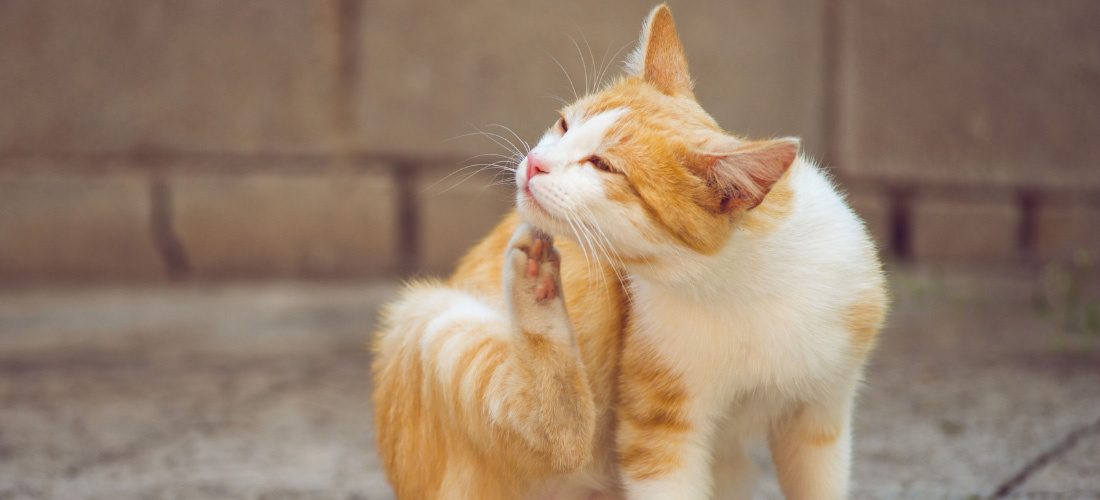
Grains can sometimes trigger allergic reactions in cats, resulting in symptoms like excessive scratching, sneezing, or recurring ear infections. By removing grains from their diet, you could see a significant improvement in your cat’s comfort and mood. And let’s face it—a happy cat makes for a happier human.
4. Weight Management
For cats battling the bulge, a grain-free diet can be a game-changer. These diets often have higher protein content and lower carbohydrate levels, making them more aligned with a cat’s natural dietary needs. Just remember, portion control is still crucial unless your goal is to have a feline who doubles as a beanbag chair.
5. More Energy
A diet closer to what nature intended can result in increased energy levels. Don’t be surprised if your cat starts zooming around the house like a kitten again or suddenly scales the curtains with the agility of a jungle predator. Who knew the absence of grains could unleash their inner acrobat?
6. Better Appetite Satisfaction
Protein-rich diets tend to be more satisfying, meaning your cat is less likely to beg for snacks an hour after dinner. You might even reclaim some of your mealtime peace as they’ll be too busy basking in a post-dinner nap to harass you for table scraps.

Things to Consider Before Going Grain-Free
While grain-free diets have numerous benefits, they’re not a one-size-fits-all solution. Here’s what to keep in mind:
- Consult Your Vet: Always consult your veterinarian before making significant changes to your cat’s diet. They can help you determine if a grain-free diet is suitable for your pet’s specific needs.
- Quality Counts: Not all grain-free foods are created equal. Choose brands that prioritize high-quality animal proteins and avoid filler ingredients.
- Beware of Marketing Hype: Grain-free doesn’t automatically mean better. If your cat has no issues with grains, a grain-free diet may not be necessary.
Common Myths About Grain-Free Diets
Myth 1: Grain-Free Equals Carb-Free
Grain-free diets are not necessarily low in carbohydrates. Many use alternative carbs like potatoes or peas. While these may be easier for some cats to digest, they’re still carbs.
Myth 2: All Cats Should Go Grain-Free
Not every cat needs a grain-free diet. Unless your cat has specific sensitivities or health issues, a diet containing grains might work just fine. As always, it’s about finding what’s best for your individual feline.
For more insights into feline nutrition, check out Wikipedia’s article on cat food.
Wrapping It Up

Grain-free diets aren’t just a trendy buzzword; they can be a transformative option for cats with specific dietary needs. From better digestion to a shinier coat and improved energy levels, the benefits are plentiful. Just remember that every cat is unique. Observing your cat’s behavior and consulting with a vet can help you make the best decision for your furry friend.
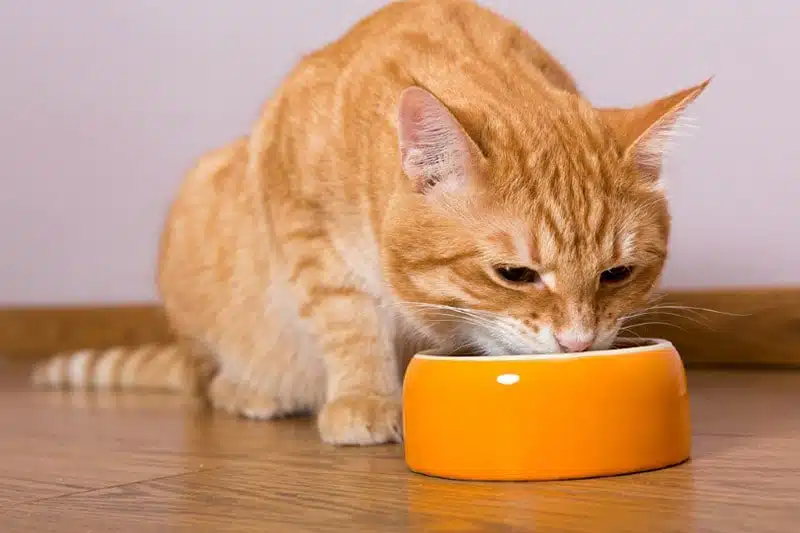
So, the next time your cat peers into their food bowl with an expression of disdain worthy of an Oscar, consider whether grains might be the issue. With a little adjustment and a lot of love, you might just unlock their true inner predator—and win a few extra purrs in the process.