Allergic Reactions in Cats: A Purrfect Guide to Food Sensitivities

If your cat could talk, what would they say about their food? Probably something along the lines of, “More tuna, less of whatever that green stuff is!” But what if their dietary quirks go beyond mere preference? Cats, like humans, can suffer from food allergies, and they’re not exactly subtle about it when they do.
What Are Food Allergies in Cats?
Food allergies in cats occur when their immune system mistakes a particular ingredient as a threat, launching an all-out war against it. The result? A range of unpleasant symptoms that can leave your feline friend itchy, grumpy, and possibly plotting revenge against the offending kibble.
Common Culprits Behind Feline Food Allergies
Cats aren’t allergic to the same variety of foods as humans (no peanut butter bans here), but some ingredients are more likely to cause issues. Here are the usual suspects:
- Proteins: Beef, chicken, fish, and dairy are common allergens. Yes, even the classic cartoon image of a cat with a fish skeleton might spell trouble.
- Grains: While not as common as protein allergies, some cats may react to wheat, corn, or soy.
Contrary to popular belief, food coloring and preservatives are not the main villains in this saga, although they can still cause other health problems. The real issue is usually a protein that your cat’s immune system has decided it hates.

Signs Your Cat Might Have a Food Allergy
How can you tell if your cat’s reaction to their food isn’t just dramatic flair? Look out for these symptoms:
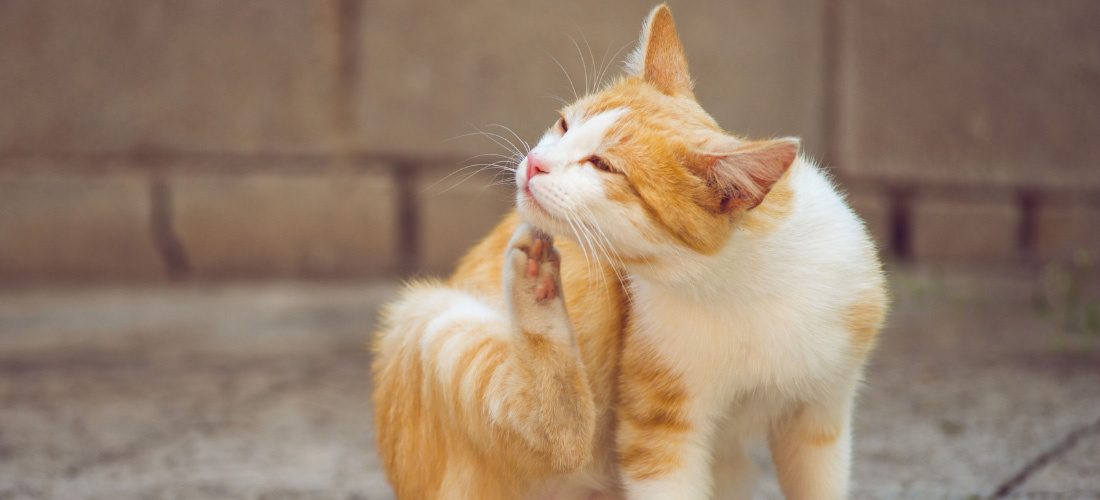
- Itchy Skin: Frequent scratching, licking, or chewing, especially around the face, ears, and paws.
- Gastrointestinal Issues: Vomiting, diarrhea, or the dreaded litter box surprises.
- Ear Infections: Recurring ear problems can be a sign of an underlying allergy.
- Hair Loss: Bald patches might be fashionable on some cats, but not when caused by relentless itching.
Of course, some of these symptoms can also be caused by other issues like fleas or environmental allergies. It’s best to consult your vet for a proper diagnosis.
Diagnosing Food Allergies: A Test of Patience
Determining whether your cat has a food allergy requires an elimination diet, which sounds a lot fancier than it is. Essentially, you’ll feed your cat a limited-ingredient diet with proteins and carbohydrates they’ve never eaten before. Think of it as their culinary journey into the unknown.
This process can take several weeks, as you’ll need to slowly reintroduce potential allergens one by one. Yes, it’s time-consuming, but think of it as a science experiment where your cat is both the subject and the highly opinionated observer.

Treating Food Allergies: What to Do Next
Once you’ve identified the culprit, the solution is simple: avoid it like the plague. Thankfully, the pet food industry has you covered with a range of hypoallergenic diets and novel protein options like duck, rabbit, or venison. These foods are designed to keep your cat’s immune system happy and their whiskers twitching in satisfaction.
If you’re unsure about which diet to choose, your vet can recommend a prescription food or guide you toward a suitable over-the-counter option. Just be prepared for your cat to initially sniff their new food with disdain because, well, they’re cats.

The Role of Nutrition in Preventing Allergies
A balanced diet is crucial for maintaining your cat’s overall health and potentially minimizing the risk of developing allergies. Cats are obligate carnivores, meaning they thrive on a diet rich in animal protein. Feeding them high-quality food with limited fillers can help reduce the likelihood of allergic reactions.
For more on feline nutrition, check out Wikipedia’s entry on cat food.

Keeping Your Cat Happy and Allergy-Free
Dealing with a food allergy can be a frustrating experience, but with patience and the right approach, your cat can return to their usual self—napping, plotting world domination, and occasionally tolerating your presence. Remember, a healthy cat is a happy cat, even if they’re still annoyed that you didn’t share your sandwich.
So, the next time your cat gives you the side-eye at dinner, rest assured that sticking to their special diet is an act of love—even if they don’t see it that way just yet.