Cat Brushing: Essential Tips for a Healthy and Happy Feline

Brushing your cat may seem like a simple task, but it’s one of the most important aspects of feline grooming. Regular brushing keeps your cat’s coat looking its best while preventing tangles, reducing shedding, and promoting overall health. Beyond the physical benefits, brushing can also be a bonding experience, deepening the connection between you and your furry friend.
Cats are naturally inclined to groom themselves, but even their meticulous habits sometimes need a helping hand. Regular brushing can complement their grooming routine, particularly for breeds with long or thick fur. Whether your cat has a smooth coat or luxurious locks, brushing is a fundamental part of their overall care. In this guide, we’ll explore the benefits of brushing, the tools you’ll need, step-by-step techniques, and solutions to common challenges.
Why Brushing Your Cat is Important

Health Benefits
Brushing isn’t just about keeping your cat looking great—it plays a vital role in their overall health by:
- Stimulating Natural Oils: Brushing distributes the natural oils in your cat’s skin, keeping their coat moisturized and shiny.
- Improving Circulation: Gentle brushing stimulates blood flow to the skin, which promotes healthier hair growth and reduces the risk of skin irritation.
- Detecting Health Issues Early: Regular grooming sessions allow you to check for skin conditions, lumps, parasites, or wounds that may otherwise go unnoticed.
Managing Shedding
All cats shed to some extent, and brushing is key to controlling the amount of loose fur in your home. By removing this fur regularly, you can reduce allergens, protect your furniture, and prevent matting. Long-haired breeds are especially prone to tangles and mats, making frequent brushing essential.
Preventing Hairballs
Cats ingest a significant amount of fur during their self-grooming routines. Without intervention, this fur can form hairballs, which may cause discomfort or digestive issues. Regular brushing minimizes the amount of fur your cat ingests, leading to fewer hairballs and a healthier digestive system.
Choosing the Right Tools for Brushing

Brushes for Long-Haired Cats
Long-haired breeds like Persians and Ragdolls require specialized tools to maintain their luxurious coats. Recommended options include:
- Slicker Brushes: These brushes are perfect for removing tangles and smoothing out the coat without causing discomfort.
- Wide-Toothed Combs: Use these to detangle areas prone to mats, such as behind the ears and under the legs.
- De-matting Tools: These tools are specifically designed to tackle tough tangles without pulling on the fur excessively.
Brushes for Short-Haired Cats
Short-haired cats, such as Bengals and British Shorthairs, benefit from brushes that cater to their smooth coats:
- Bristle Brushes: These help remove loose hair and debris while polishing the coat.
- Rubber Grooming Gloves: These gloves collect loose fur while providing a gentle massage that many cats find relaxing.
De-shedding Tools
De-shedding tools, such as the Furminator, are highly effective for reducing shedding in cats with all coat types. However, it’s important to use them sparingly to avoid over-brushing, which can irritate the skin.
How to Brush Your Cat

Preparing Your Cat
- Choose the Right Time: Find a quiet moment when your cat is calm and relaxed.
- Create a Comfortable Space: Use a non-slip mat or groom your cat on a familiar surface.
- Introduce the Tools Gradually: Allow your cat to sniff and inspect the brush before starting to ease any anxiety.
Brushing Techniques
- Start with Short Strokes: Begin brushing along your cat’s back with short, gentle strokes to get them accustomed to the sensation.
- Focus on Problem Areas: Pay extra attention to areas prone to matting, such as the belly, legs, and under the arms.
- Follow the Hair Growth: Always brush in the direction of the fur to avoid discomfort.
- Reward Positive Behavior: Give your cat treats or praise during and after brushing to create a positive association.
Handling a Reluctant Cat
If your cat resists brushing:
- Begin with short sessions and gradually increase the duration as they become more comfortable.
- Use a calming pheromone spray or diffuser in the grooming area.
- Distract them with toys or treats to make the experience more enjoyable.
- For severe resistance, consult a professional groomer or veterinarian.
Brushing for Specific Cat Breeds
Persian Cats
Persians have dense, luxurious coats that require daily brushing with slicker brushes and wide-toothed combs to prevent mats and tangles.
Maine Coons
These long-haired cats have thick, water-resistant fur. Weekly brushing with de-shedding tools and slicker brushes helps maintain their coat.
Siamese Cats
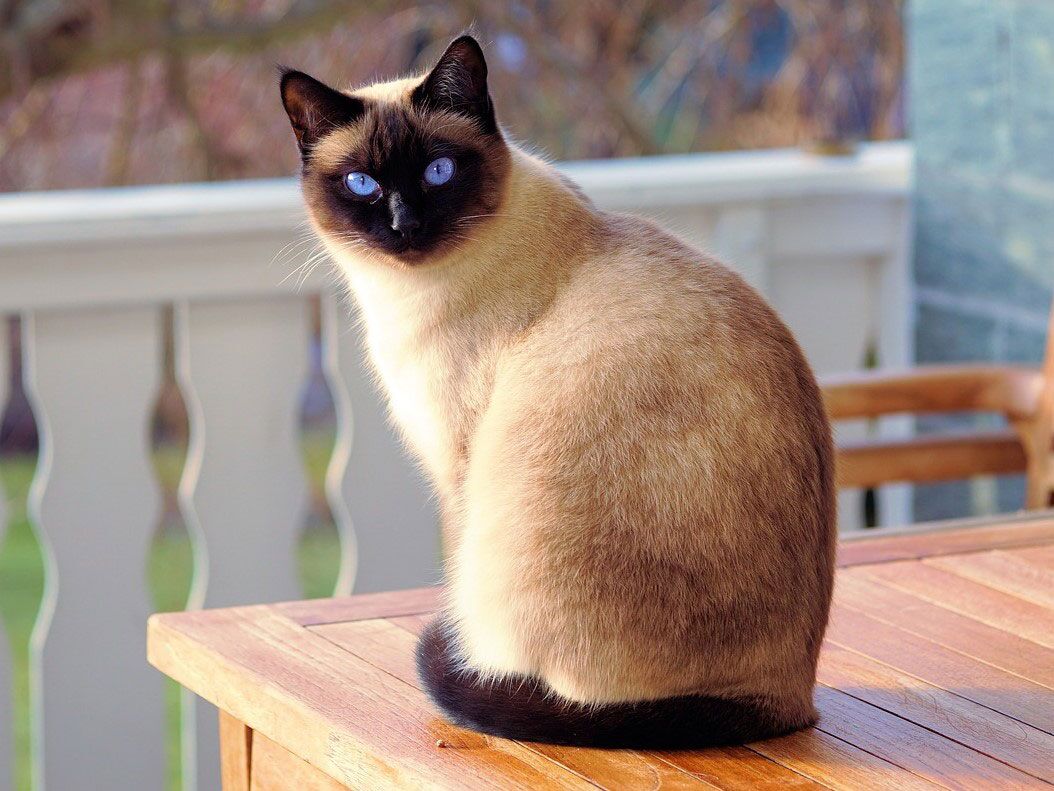
Short-haired Siamese cats are relatively low-maintenance but still benefit from weekly brushing to remove loose fur and maintain their sleek coats.
Hairless Breeds
Breeds like the Sphynx may not have fur to brush, but they require regular skincare to manage oils and keep their skin healthy.
Common Brushing Challenges and Solutions
- Mats and Tangles: Use de-matting tools for severe tangles, or seek professional grooming assistance.
- Sensitive Skin: Opt for softer brushes and apply minimal pressure during grooming.
- Uncooperative Behavior: Build trust by associating grooming with treats and positive interactions.
Brushing and Seasonal Changes
Cats shed more during seasonal transitions, especially in spring and fall. Increase the frequency of brushing during these periods to manage the extra shedding and prevent fur buildup. Regular grooming during these times also helps your cat adjust to temperature changes more comfortably.
Conclusion and Summary
Brushing your cat is more than just a grooming activity—it’s a way to bond, ensure their health, and keep your home fur-free. With the right tools and techniques, brushing can be a stress-free and enjoyable experience for both you and your feline companion.
From preventing hairballs to managing seasonal shedding, the benefits of brushing are numerous. Tailor your grooming routine to your cat’s breed and specific needs, and don’t hesitate to consult a professional groomer or veterinarian if challenges arise. By making brushing a regular part of your cat’s care, you’re contributing to their overall well-being and happiness.
Frequently Asked Questions (FAQs)
Q: How often should I brush my cat?
A: Long-haired cats should be brushed daily, while short-haired cats typically require weekly grooming.
Q: Can I use a human hairbrush on my cat?
A: No, human brushes are not designed for cats and may not effectively remove loose fur or prevent matting.
Q: What if my cat hates being brushed?
A: Start with short sessions, use positive reinforcement, and consider calming sprays or professional grooming assistance if needed.
Q: Are de-shedding tools safe for all cats?
A: Yes, but use them sparingly to avoid damaging the coat or irritating the skin.
Q: When should I seek professional grooming help?
A: Seek help for severely matted fur, sensitive skin issues, or if your cat is uncooperative during grooming.