Cat Eye Care: A Comprehensive Guide

Cats are known for their striking eyes, which come in various colors and shapes, making them one of the most captivating features of these beloved pets. However, maintaining the health of a cat’s eyes is crucial, as they are susceptible to a range of issues, from infections to injuries. Proper eye care is essential to ensure your feline friend’s well-being and quality of life. In this guide, we will delve into the importance of cat eye care, common eye problems, and effective care practices.
Understanding the intricacies of cat eye care can help prevent serious health issues and promote a long, healthy life for your pet. Whether you are a new cat owner or have years of experience, this comprehensive guide will provide you with valuable insights and practical tips for maintaining your cat’s eye health. Proper knowledge and vigilance can go a long way in preventing common eye issues and ensuring your cat’s eyes remain bright and healthy throughout their life.
Eye health in cats is not just about aesthetics; it’s about ensuring their overall quality of life. A cat with healthy eyes is more likely to be active, playful, and comfortable in its surroundings. Neglecting eye care can lead to pain, discomfort, and even permanent vision loss. Therefore, understanding how to care for your cat’s eyes is an essential part of responsible pet ownership.
Why Cat Eye Care is Important
The eyes are vital organs that play a significant role in a cat’s ability to navigate and interact with its environment. Healthy eyes are essential for your cat’s overall well-being and happiness. Regular eye care helps to:
- Prevent Infections: Regular cleaning and inspections can help prevent bacterial and viral infections. Bacteria, viruses, and fungi can easily infect a cat’s eyes if not properly cared for, leading to discomfort and potential blindness.
- Detect Early Signs of Disease: Early detection of issues like glaucoma or cataracts can lead to more effective treatment. Diseases caught in their initial stages are often more manageable and less likely to cause permanent damage.
- Maintain Vision: Proper care can prevent vision loss due to untreated eye conditions. Cats rely heavily on their vision for hunting, playing, and navigating their environment. Maintaining their eye health is crucial for their daily activities.
- Enhance Comfort: Addressing eye discomfort promptly ensures your cat remains pain-free and happy. A cat with irritated or painful eyes will often become less active and may hide more frequently, indicating distress.
Common Cat Eye Problems

Conjunctivitis
Conjunctivitis, or pink eye, is a common eye condition in cats, characterized by inflammation of the conjunctiva, the pink membrane lining the inner eyelids. Symptoms include redness, swelling, and discharge. It can be caused by infections, allergies, or irritants. Bacterial and viral conjunctivitis are particularly common in cats, with feline herpesvirus being a frequent culprit.
Corneal Ulcers
Corneal ulcers are open sores on the cornea, often resulting from injuries, infections, or foreign bodies in the eye. Symptoms include squinting, tearing, and sensitivity to light. Immediate veterinary care is essential to prevent serious complications. If left untreated, corneal ulcers can lead to perforation of the cornea and permanent vision loss.
Glaucoma
Glaucoma is a condition where increased pressure within the eye damages the optic nerve, leading to vision loss. Symptoms include eye redness, cloudiness, and dilated pupils. Early detection and treatment are crucial to managing this condition. Glaucoma can be particularly painful, and managing the intraocular pressure is essential to prevent irreversible damage.
Cataracts
Cataracts cause the lens of the eye to become cloudy, leading to impaired vision. They can be hereditary or develop due to aging, diabetes, or eye injuries. Surgical removal is often required to restore vision. Cats with cataracts may exhibit signs of vision impairment, such as bumping into objects or being easily startled.

Signs Your Cat May Have Eye Issues
Detecting eye problems early can prevent severe health issues. Watch for these signs that may indicate your cat has eye problems:
- Redness or Swelling: Inflammation around the eyes. Persistent redness can indicate underlying issues such as infections or glaucoma.
- Discharge: Yellow, green, or clear discharge can signal an infection. Consistent tearing or mucus can be a sign of conjunctivitis or other eye infections.
- Squinting or Blinking: Excessive squinting or blinking indicates discomfort. Cats with eye pain will often squint to protect the affected eye.
- Behavioral Changes: Reluctance to play or decreased activity may result from vision impairment. Cats with vision problems may become more reclusive or hesitant to jump and climb.
- Cloudiness or Change in Eye Color: These can be signs of cataracts or glaucoma. Any noticeable changes in the appearance of your cat’s eyes should be evaluated by a veterinarian.
Routine Eye Care Practices

Regular Inspections
Frequently check your cat’s eyes for any signs of redness, swelling, or discharge. Early detection of abnormalities can lead to prompt treatment and prevent serious conditions. Regular inspections can help you become familiar with your cat’s normal eye appearance, making it easier to spot changes.
Cleaning Techniques
Use a damp, soft cloth to gently wipe away any discharge or debris from around your cat’s eyes. Avoid using harsh chemicals or products not designed for pets, as they can cause irritation. Saline solutions recommended by veterinarians can be used to flush out minor irritants safely.
Diet and Nutrition
A balanced diet rich in vitamins A, C, and E can promote eye health. Foods high in antioxidants support the immune system and help protect against eye diseases. Omega-3 fatty acids, found in fish oil, can also benefit eye health by reducing inflammation.
Environmental Factors
Ensure your cat’s living environment is clean and free from potential irritants like dust, smoke, and harsh chemicals. Providing a stress-free environment can also help prevent eye issues related to stress and anxiety. Keep your cat’s bedding and litter area clean to reduce the risk of infections.
When to Visit the Vet
If you notice any signs of eye problems or if your cat’s condition doesn’t improve with basic care, it’s essential to seek veterinary assistance. Persistent symptoms, such as redness, swelling, or discharge, require professional evaluation to prevent complications. A veterinarian can conduct a thorough examination and provide appropriate treatment, such as antibiotics or anti-inflammatory medications.

Frequently Asked Questions (FAQs)
How Often Should I Inspect My Cat’s Eyes?
Regular inspections should be part of your weekly routine. If your cat is prone to eye issues, more frequent checks may be necessary. Early detection of potential problems can prevent more serious conditions from developing.
Can I Use Human Eye Drops on My Cat?
No, always use products specifically designed for cats. Human eye drops can contain ingredients that are harmful to pets. Consult your veterinarian for safe and effective products for your cat’s eye care.
What Should I Do If My Cat Resists Eye Care?
If your cat resists, try to make the experience as stress-free as possible. Use treats and a calm, reassuring tone. If resistance continues, consult your vet for advice. Sometimes, wrapping your cat in a towel can help to keep them still and calm during eye care.
Are Certain Breeds More Prone to Eye Problems?
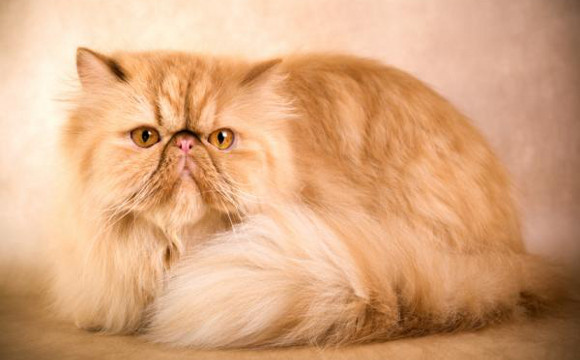
Yes, breeds like Persians and Himalayans are more susceptible to eye conditions due to their facial structure. Regular eye care is especially important for these breeds. Breeds with flat faces (brachycephalic) are particularly prone to tear duct issues and corneal ulcers.
How Can I Prevent Eye Problems in My Cat?
Regular inspections, a healthy diet, and prompt veterinary care at the first sign of trouble are key to preventing eye problems. Keeping your cat indoors can also reduce the risk of eye injuries from fights or accidents.
Conclusion and Summary
Cat eye care is an essential aspect of pet ownership that ensures your feline friend’s health and happiness. Regular inspections, proper cleaning techniques, and a nutritious diet are critical components of maintaining your cat’s eye health. By staying vigilant and seeking veterinary care when necessary, you can prevent many common eye problems and ensure your cat enjoys a long, healthy life.