Cat Grooming Tips: A Comprehensive Guide

Grooming your cat is more than just a way to keep them looking good; it’s an essential part of maintaining their overall health and well-being. Proper grooming helps to reduce shedding, prevent hairballs, and keep their skin and coat in optimal condition. Additionally, regular grooming sessions provide an opportunity to bond with your furry companion and monitor their health closely.
Cats are known for their meticulous self-grooming habits, but they still need your help to manage certain aspects of their grooming routine. From brushing their fur to trimming their nails, there are numerous ways to ensure your cat stays clean, comfortable, and happy. Grooming also prevents potential health issues, such as matting, skin irritations, or overgrown nails. This guide will provide you with practical tips and techniques for grooming your cat effectively, no matter their breed or age.
The Importance of Cat Grooming

Benefits of Grooming
Regular grooming offers numerous benefits for both you and your cat, including:
- Healthier Skin and Coat: Brushing helps to distribute natural oils, reducing dryness and promoting a shiny, healthy coat.
- Reduced Shedding: Regular grooming removes loose hair, minimizing shedding around your home.
- Prevention of Hairballs: By removing excess fur, you can help reduce the risk of hairballs forming in your cat’s digestive tract.
- Early Detection of Health Issues: Grooming sessions allow you to spot signs of skin problems, lumps, or other health concerns early.
- Stress Reduction: A well-maintained coat can reduce irritation and make your cat feel more comfortable.
- Bonding Time: Grooming sessions strengthen the bond between you and your feline friend, fostering trust and affection.
Common Grooming Challenges
While grooming is essential, it’s not always easy. Some cats may resist grooming or become stressed during the process. Challenges include:
- Cats with sensitive skin that dislike being brushed.
- Fearful or anxious cats that avoid handling.
- Difficulty managing long or thick coats prone to matting.
- Overgrown nails in cats that resist trimming.
Understanding your cat’s temperament and gradually introducing grooming routines can help overcome these challenges. Patience and the right techniques are key to successful grooming.
Essential Grooming Tools

Brushes and Combs
Investing in the right brush or comb is crucial for effective grooming. Options include:
- Slicker Brushes: Ideal for removing tangles and loose fur. These are especially useful for long-haired breeds prone to matting.
- Bristle Brushes: Best for short-haired cats to smooth their coat and remove surface debris.
- De-shedding Tools: Designed to reduce shedding by reaching the undercoat, preventing matting and hairballs.
Nail Clippers and Grinders
Keeping your cat’s nails trimmed prevents overgrowth and reduces the risk of scratches or snags. Options include:
- Scissor-Style Clippers: Easy to handle and suitable for small nails.
- Guillotine Clippers: Provide precision but may require practice to use effectively.
- Grinders: Electric tools that file nails down gently, ideal for cats who tolerate noise and vibration.
Shampoos and Conditioners
Use cat-specific shampoos that are gentle on their skin and free of harsh chemicals. Look for hypoallergenic options for sensitive cats. Avoid using human shampoos, as they can disrupt your cat’s natural pH balance and cause irritation.
Step-by-Step Cat Grooming Tips

Brushing and De-shedding
Brushing is a cornerstone of cat grooming. Follow these steps:
- Choose the Right Brush: Select a brush that matches your cat’s coat type.
- Brush Gently: Brush in the direction of hair growth to avoid discomfort.
- Focus on Problem Areas: Pay extra attention to areas prone to matting, such as behind the ears, under the legs, and the belly.
- Establish a Routine: Brush short-haired cats 2-3 times a week and long-haired cats daily to manage shedding and tangles.
Bathing Your Cat
Although cats groom themselves, occasional baths may be necessary. Here’s how:
- Prepare the Bath Area: Use a sink or tub with a non-slip mat. Have towels and shampoo ready.
- Use Lukewarm Water: Gently wet your cat, avoiding the head and ears.
- Lather Gently: Apply cat-specific shampoo and massage it into their fur.
- Rinse Thoroughly: Ensure all shampoo is rinsed out to prevent irritation.
- Dry Properly: Use a soft towel or pet-safe blow dryer on a low setting to dry your cat.
Nail Trimming
Trimming your cat’s nails is essential to prevent overgrowth and injury. Steps include:
- Set the Scene: Use a well-lit area to clearly see the nails.
- Extend the Nails: Gently press the paw to expose the nails.
- Trim Carefully: Trim just the sharp tip, avoiding the pink quick to prevent bleeding.
- Reward Your Cat: Use treats to make the experience positive and stress-free.
Cleaning Ears and Eyes
Regular ear and eye cleaning help prevent infections:
- Ears: Use a vet-approved ear cleaner and a cotton ball to clean the outer ear. Avoid inserting anything into the ear canal.
- Eyes: Wipe away discharge with a damp, soft cloth. Be gentle to avoid irritation.
Oral Hygiene
Maintaining your cat’s dental health is vital. Brush their teeth with cat-specific toothpaste and a soft-bristled brush. Dental treats and toys can also support oral hygiene. Regular brushing reduces the risk of gum disease and bad breath.
Grooming Tips for Specific Cat Breeds
Long-Haired Cats
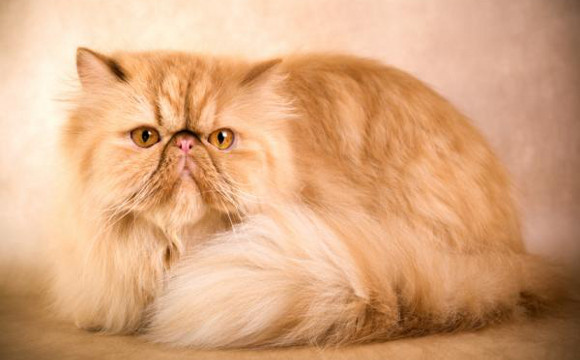
Long-haired breeds like Persians require daily brushing to prevent tangles and mats. Use wide-toothed combs and focus on high-risk areas such as the belly and armpits. Regular grooming prevents discomfort and keeps their luxurious coats in pristine condition.
Short-Haired Cats
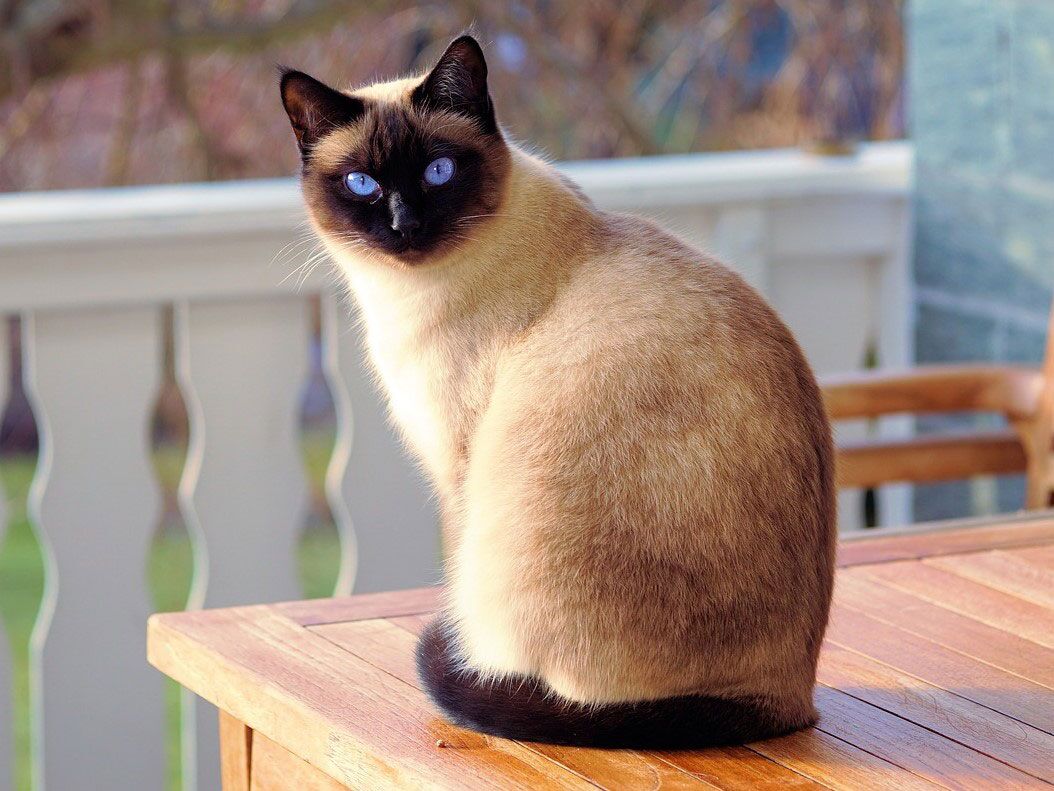
Short-haired cats, such as Siamese, benefit from weekly brushing with a bristle brush to remove loose fur and promote a glossy coat. They generally require less maintenance than their long-haired counterparts but still benefit from consistent care.
Hairless Cats
Hairless breeds, such as the Sphynx, need special care. Regular bathing is essential to remove excess oils, and they may require moisturizers to keep their skin hydrated. Protect them from extreme temperatures, as their lack of fur makes them more sensitive.
Preventing Grooming-Related Stress
Creating a Comfortable Environment
A calm and quiet space is ideal for grooming. Use a non-slip mat on the grooming surface to keep your cat steady and comfortable. Ensure the environment is free from loud noises or other distractions.
Positive Reinforcement Techniques
Reward your cat with treats, praise, and gentle petting during and after grooming. Gradually introduce grooming tools and sessions to build trust. Keeping sessions short and positive helps reduce anxiety and resistance.
Conclusion and Summary
Cat grooming is an essential part of ensuring your feline’s health and happiness. By using the right tools, establishing a regular grooming routine, and tailoring your approach to your cat’s specific needs, you can keep their coat shiny, their skin healthy, and their nails trimmed. Grooming sessions also strengthen your bond with your cat and provide an opportunity to monitor their overall health.
With patience and persistence, even reluctant cats can learn to enjoy grooming. Start slowly, use positive reinforcement, and consult your veterinarian for additional guidance if needed. A well-groomed cat is a happy and healthy cat.
Frequently Asked Questions (FAQs)
Q: How often should I groom my cat?
A: Grooming frequency depends on the breed and coat type. Long-haired cats may need daily grooming, while short-haired cats typically require grooming once a week.
Q: Can I use human shampoo on my cat?
A: No, human shampoos are not suitable for cats as they can disrupt their skin’s pH balance. Always use cat-specific shampoos.
Q: How can I reduce shedding?
A: Regular brushing and a balanced diet rich in omega-3 fatty acids can help reduce shedding.
Q: What should I do if my cat hates grooming?
A: Gradually introduce grooming tools, use positive reinforcement, and keep sessions short. Consult a vet or professional groomer for advice if needed.
Q: Are professional grooming services necessary for cats?
A: Professional grooming may be beneficial for long-haired breeds, elderly cats, or those with severe matting or skin issues.