Cat Urinary Health: A Comprehensive Guide

Cats are beloved companions, but their health can sometimes be puzzling for pet owners. Among the various health issues cats may face, urinary problems are particularly common and can significantly impact their well-being. These issues, while potentially serious, can often be managed or prevented with proper care and attention.
Understanding the causes, symptoms, and preventive measures for urinary health issues in cats is essential for every pet owner. In addition to protecting your cat from discomfort, addressing urinary health concerns early can prevent more severe complications. In this guide, we delve deep into the topic of cat urinary health, equipping you with the knowledge to identify potential problems and ensure your feline friend leads a healthy and happy life. Whether you’re a new cat owner or a seasoned one, this article offers practical tips and insights to support your cat’s urinary health effectively.
Understanding Cat Urinary Health

What is the Urinary System in Cats?
The urinary system in cats includes the kidneys, ureters, bladder, and urethra. This system plays a vital role in filtering waste from the blood, regulating electrolytes, and maintaining hydration. It also aids in excreting toxins through urine, making healthy urinary function crucial for a cat’s overall health.
Common Urinary Health Problems
Cats are prone to various urinary issues, including:
- Feline Lower Urinary Tract Disease (FLUTD): A group of conditions affecting the bladder and urethra, FLUTD can cause discomfort and difficulty urinating.
- Urinary Tract Infections (UTIs): Often caused by bacterial infections in the urinary tract, leading to painful urination and frequent trips to the litter box.
- Bladder Stones: Solid mineral formations that develop in the bladder, causing irritation, blockages, and sometimes requiring surgical removal.
- Urinary Blockages: A potentially life-threatening condition, particularly in male cats, where the urethra becomes obstructed, preventing urination.
- Idiopathic Cystitis: Inflammation of the bladder without a clear cause, often linked to stress.
Causes of Urinary Issues in Cats

Diet and Nutrition
Diet plays a pivotal role in a cat’s urinary health. High levels of minerals such as magnesium, phosphorus, and calcium in cat food can lead to crystal and stone formation in the bladder. Additionally, diets that rely heavily on dry food may lack sufficient moisture content, contributing to dehydration and subsequent urinary problems.
Providing a balanced diet that includes wet food or specially formulated urinary health diets can help mitigate these risks. These diets often contain controlled levels of minerals and ingredients designed to promote a healthy urinary tract.
Dehydration
Cats naturally have a low thirst drive because their wild ancestors obtained most of their hydration from prey. If cats do not consume enough water, their urine becomes concentrated, increasing the likelihood of infections, crystal formation, and other urinary issues. Encouraging your cat to drink more water or incorporating high-moisture foods into their diet is critical for preventing dehydration-related urinary problems.
Stress Factors
Stress can significantly impact a cat’s urinary health, often exacerbating conditions like idiopathic cystitis. Common stress triggers include changes in routine, moving to a new home, introducing new pets, or disruptions in the household. Providing a stable environment and minimizing stressors can reduce the risk of stress-induced urinary issues.
Genetic Predisposition
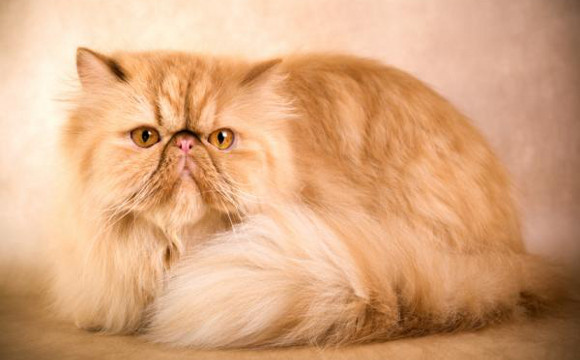
Some cat breeds, such as Persians, Himalayans, and Maine Coons, are more prone to urinary health problems due to genetic factors. Owners of these breeds should take extra precautions, including regular vet visits and tailored dietary plans, to mitigate these risks.
Symptoms of Urinary Health Problems
Identifying urinary health issues early can prevent complications. Watch for these signs:
- Straining or difficulty urinating
- Frequent trips to the litter box with little or no output
- Blood in urine (hematuria), visible as pink or red discoloration
- Urinating outside the litter box, often a sign of pain or discomfort
- Vocalizing or crying during urination
- Lethargy, hiding, or decreased appetite
- Strong-smelling urine or changes in urine color
If you notice any of these symptoms, consult your veterinarian promptly. Delaying treatment can lead to severe complications, including kidney damage or life-threatening blockages.
Prevention and Care

Proper Hydration
Encourage your cat to drink more water by:
- Providing fresh, clean water daily and placing multiple water bowls around the house.
- Using a pet water fountain to stimulate interest in drinking.
- Including wet food in their diet to increase moisture intake naturally.
- Adding low-sodium chicken broth to water for an enticing flavor boost.
Balanced Diet
Feed your cat a high-quality diet tailored to their specific needs. Opt for urinary health formulas if recommended by your veterinarian, and avoid foods with excessive minerals that may lead to stone formation. Offering a mix of wet and dry food can also help balance moisture levels and nutritional needs.
Stress Reduction
Create a stress-free environment by:
- Establishing a consistent routine for feeding, playtime, and other daily activities.
- Providing safe spaces, such as quiet rooms or cozy hiding spots, where your cat can retreat.
- Using calming aids like pheromone diffusers or sprays to create a soothing atmosphere.
- Offering enrichment activities, such as puzzle feeders and interactive toys, to keep your cat mentally stimulated.
Routine Veterinary Visits
Regular check-ups with your veterinarian are essential for monitoring your cat’s overall health and catching potential urinary issues early. Discuss any changes in behavior or diet during these visits to ensure your cat receives timely care.
Treatment Options
Home Remedies
Mild cases of urinary issues can sometimes be managed at home with increased hydration, dietary adjustments, and stress reduction. Offering more wet food, ensuring access to clean water, and minimizing stressors are common approaches. Always consult a veterinarian before trying home remedies to ensure the safety and efficacy of your efforts.
Veterinary Interventions
Severe urinary problems often require medical treatment, such as:
- Antibiotics to treat bacterial infections.
- Surgery to remove bladder stones or address obstructions.
- Prescription diets to dissolve crystals or stones and prevent recurrence.
- Catheterization in cases of urinary blockages, often accompanied by pain management and supportive care.
Your veterinarian may also recommend diagnostic tests, such as urinalysis, imaging, or blood work, to determine the exact cause of the problem and develop an appropriate treatment plan.
Conclusion and Summary
Cat urinary health is a critical aspect of overall well-being. By understanding the causes, recognizing the symptoms, and taking preventive measures, you can ensure your feline companion stays healthy. Regular veterinary check-ups, a balanced diet, and a stress-free environment are key to preventing urinary issues. When problems do arise, timely intervention can make a significant difference in your cat’s recovery and quality of life.
As responsible pet owners, being proactive about your cat’s urinary health not only enhances their comfort but also strengthens the bond you share with your furry friend. A little extra effort in care and attention goes a long way in ensuring they live a happy, healthy life.
Frequently Asked Questions (FAQs)
Q: What is the best diet for urinary health in cats?
A: A diet low in minerals like magnesium and high in moisture is ideal. Consult your vet for specific recommendations tailored to your cat’s needs.
Q: How can I encourage my cat to drink more water?
A: Use a pet water fountain, offer wet food, and provide multiple water bowls around your home. You can also try adding flavor enhancers like low-sodium broth to make water more appealing.
Q: Can stress cause urinary problems in cats?
A: Yes, stress is a significant factor in conditions like idiopathic cystitis. Reducing stress through routine, enrichment, and calming aids can help.
Q: When should I take my cat to the vet for urinary issues?
A: Immediately if your cat shows signs like straining, blood in urine, or complete inability to urinate. Delayed treatment can lead to severe complications.
Q: Are certain breeds more prone to urinary problems?
A: Some breeds, such as Persians and Himalayans, may have a higher predisposition to urinary issues due to their genetics. Regular monitoring and preventive care are especially important for these breeds.
By taking proactive steps, you can help your cat lead a healthy life free from urinary health complications. Educating yourself and maintaining regular communication with your veterinarian ensures the best outcomes for your feline friend.