How to Choose the Right Cat for Your Lifestyle

Bringing a cat into your life is a big decision, and choosing the right feline companion can ensure a harmonious relationship for years to come. Cats are diverse in their personalities, activity levels, and care needs, making it essential to consider your own lifestyle and preferences before adopting one. Whether you are a busy professional, a family with young children, or a retiree seeking companionship, there’s a cat out there perfectly suited to your home.
By taking the time to evaluate your living situation, daily routine, and personal preferences, you can make an informed decision that leads to a joyful and lasting relationship with your feline friend. Cats are not one-size-fits-all pets, and understanding the nuances of breed characteristics, age, and personality will help you find the perfect match. This guide will walk you through everything you need to know to choose the right cat for your lifestyle.

Understanding Your Lifestyle and Needs
Activity Levels and Time Commitment
One of the most important considerations when choosing a cat is your activity level and how much time you can dedicate to their care. Some cats are highly active and require daily play sessions, while others are content to lounge around and need minimal attention. For example, breeds like the Abyssinian and Bengal thrive on interaction and physical activity, making them a better fit for active households.
If you lead a busy lifestyle with limited free time, consider a low-maintenance breed or an older cat that is less demanding. Senior cats, for instance, are often more independent and require less playtime compared to energetic kittens. Additionally, cats with lower energy levels may be more suitable for those who travel frequently or have unpredictable schedules.

Household Dynamics
The composition of your household plays a crucial role in determining the right cat for you. Families with young children might prefer a tolerant and friendly breed, such as the Maine Coon or Ragdoll, while single individuals or couples might enjoy the companionship of a more independent breed like the British Shorthair.
If you have other pets, it’s essential to consider the new cat’s compatibility with dogs or other cats. Many shelters and breeders can provide insights into a cat’s behavior around other animals, helping you make a suitable choice. Cats that have previously lived with other pets are often more adaptable, but gradual introductions are key to a harmonious multi-pet household.

Factors to Consider When Choosing a Cat
Age: Kitten vs. Adult vs. Senior Cat
Kittens: Kittens are playful and adorable but require significant time and patience for training and socialization. They are ideal for individuals who can dedicate the time to nurture and guide their development. Keep in mind that kittens are highly energetic and can be mischievous, requiring consistent supervision.
Adult Cats: Adult cats often have established personalities, making it easier to determine if they align with your lifestyle. They require less training and are typically more predictable in their behavior. Adopting an adult cat also allows you to skip the teething and litter training phases.
Senior Cats: Senior cats are calm, low-maintenance, and often deeply affectionate. They are perfect for people looking for a relaxed and loving companion without the high energy demands of a kitten. Many senior cats are overlooked in shelters, so adopting one can also be an act of kindness.

Breed Characteristics
While every cat has a unique personality, certain breeds exhibit specific traits that can guide your decision:
- Siamese: Highly vocal and social, they thrive in interactive households.
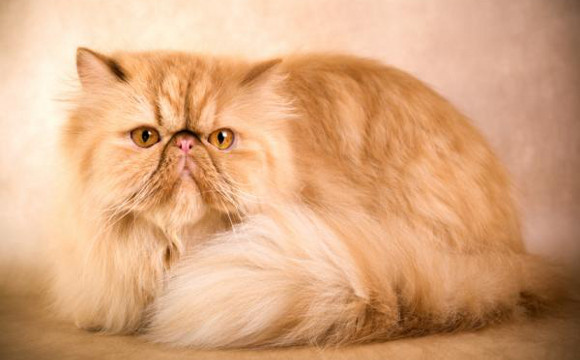
- Persian: Known for their calm and laid-back demeanor, ideal for quieter homes.
- Bengal: Energetic and playful, requiring ample space and stimulation.
- Maine Coon: Gentle giants who get along well with children and other pets.
Researching breeds or consulting with shelter staff can help you find a cat with traits that match your lifestyle. Mixed-breed cats often combine the best of multiple traits and can be just as rewarding as purebred cats.
Personality and Temperament
Every cat is unique, even within the same breed. Spend time interacting with a potential pet to assess their personality. Some cats are affectionate and clingy, while others are independent and aloof. Cats with a history of trauma or neglect may require more patience and understanding but can form incredibly strong bonds with their adopters. Understanding a cat’s temperament ensures a better match and reduces the likelihood of behavioral issues in the future.

Matching Cats to Specific Lifestyles
Busy Professionals
For individuals with demanding work schedules, a low-maintenance cat is ideal. Breeds like the Russian Blue or Scottish Fold are independent and can entertain themselves. Adopting an adult or senior cat is also a good option, as they require less supervision and training compared to kittens. Providing automated feeders and interactive toys can help keep your cat content while you’re away.
Families with Children
Families with young children should prioritize cats with friendly and tolerant temperaments. The Maine Coon and Ragdoll are excellent choices due to their gentle nature and patience. It’s also essential to teach children how to interact respectfully with cats to foster a positive relationship. Cats like these often thrive in lively households and enjoy being part of the action.
Elderly and Retirees
Senior citizens often benefit from the companionship of a calm and affectionate cat. Breeds like the Persian or Burmese are low-energy and love to cuddle, making them ideal for quieter households. Adopting a senior cat can also be a deeply rewarding experience, as these cats often bond quickly with their owners. Cats that are already litter-trained and less active can seamlessly fit into a retiree’s lifestyle.

Practical Considerations Before Adoption
Financial Responsibilities
Owning a cat involves ongoing expenses, including food, litter, toys, and veterinary care. Certain breeds may have specific health concerns that require additional financial planning. It’s important to assess your budget and ensure you can provide for your cat’s needs over their lifetime. Keep in mind that medical expenses can increase as your cat ages.
Living Space and Environment
The size and layout of your home should influence your choice of cat. Active breeds like the Bengal or Abyssinian require ample space to climb and play, while more sedentary breeds like the British Shorthair are content in smaller apartments. Providing scratching posts, cat trees, and enrichment toys is crucial for maintaining your cat’s physical and mental well-being. If you live in a multi-story home, consider setting up safe zones on each floor.

Preparing for Your New Cat
Supplies and Essentials
Before bringing your new cat home, ensure you have all the necessary supplies. This includes:
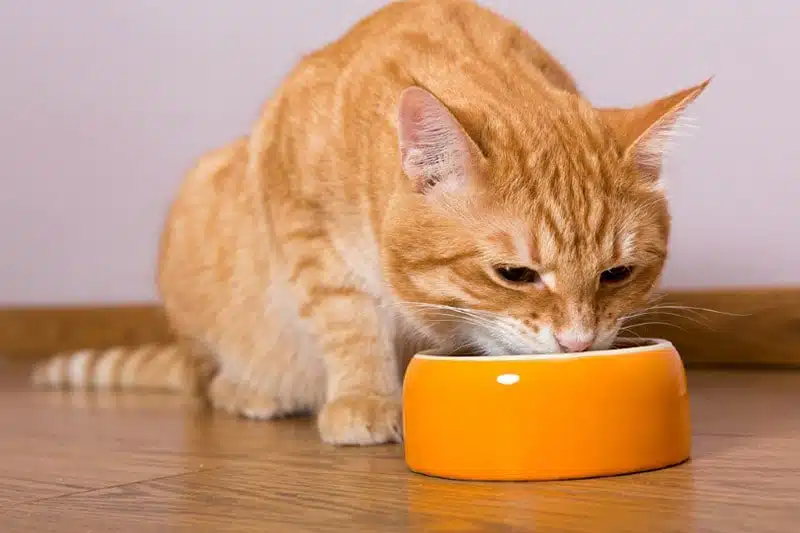
- Food and water dishes
- High-quality cat food
- Litter box and litter
- Scratching posts or pads
- Comfortable bedding
- Toys for mental stimulation
- Grooming tools (brushes, nail clippers)
Having these items ready will make the transition smoother for both you and your cat.
Introducing Your Cat to Their New Home
When you bring your cat home, give them a designated space to acclimate. This could be a quiet room with their litter box, food, and bedding. Gradually introduce them to other areas of the house and family members. Patience is key; some cats may take days or even weeks to feel completely comfortable.

Conclusion and Summary
Choosing the right cat for your lifestyle requires careful consideration of factors such as activity levels, household dynamics, and practical responsibilities. By understanding your needs and researching different breeds and personalities, you can find a feline companion that brings joy and harmony to your home.
Whether you opt for a playful kitten, a calm adult, or a loving senior cat, the key is to ensure their temperament and care requirements align with your lifestyle. With the right match, you’ll enjoy a fulfilling and lasting bond with your new feline friend.

Frequently Asked Questions (FAQs)
What is the best cat breed for first-time owners?
Breeds like the Ragdoll, British Shorthair, and Maine Coon are often recommended for first-time owners due to their friendly and adaptable nature.
How can I tell if a cat’s personality suits my lifestyle?
Spend time interacting with the cat before adoption. Shelter staff or breeders can also provide insights into the cat’s behavior and temperament.
Is it better to adopt a kitten or an adult cat?
It depends on your lifestyle. Kittens require more time and training, while adult cats are usually more predictable and lower maintenance.
What should I prepare before bringing a cat home?
Set up a designated area with food, water, a litter box, and toys. Ensure your home is cat-proofed by removing hazards like toxic plants or exposed wires.
Can cats adapt to living with other pets?
Many cats can adapt to living with other pets if introduced gradually and respectfully. It’s important to monitor interactions and provide separate spaces initially.