How to Prevent Cat Obesity Through Proper Feeding: A Purr-fect Guide

Let’s face it: we love our cats, and they’re experts at convincing us they’re always hungry. But before you hand over another treat or let them snack on your leftover chicken, it’s worth remembering that feline obesity is no laughing matter (even if a pudgy cat can look adorable). Proper feeding is the key to keeping your furry friend healthy, active, and light enough to leap onto your kitchen counter—as they inevitably will. Let’s dive into the whisker-twitching world of feline nutrition with a touch of humor to keep things lively.
Why Cat Obesity Is a Problem (Beyond the Extra Vet Visits)
Obesity in cats isn’t just about aesthetics. Those extra pounds can lead to serious health issues like diabetes, arthritis, and even heart disease. Plus, an overweight cat might struggle to do cat-ly things, like squeezing into their favorite hiding spots or chasing that laser pointer with the same zest as before. Preventing obesity is about ensuring your feline companion lives their best (nine) lives, free from unnecessary health problems.
It’s not just about physical limitations either. Obesity can dampen your cat’s natural curiosity and energy levels, turning a sprightly explorer into a reluctant couch potato. Imagine your cat hesitating to jump onto the windowsill to watch birds—a tragedy no feline should endure. By addressing obesity early, you’re safeguarding their joy and quality of life.

Portion Control: The Golden Rule of Feeding
Cats have a magical ability to make you feel guilty about not feeding them on demand. Resist the urge! Portion control is crucial for maintaining a healthy weight. Use the guidelines on your cat food packaging as a starting point, but remember that these are just averages. Factors like age, activity level, and health conditions can influence how much food your cat needs.
Pro Tip: Invest in a kitchen scale to measure your cat’s food precisely. Eyeballing portions often leads to overfeeding—and a few extra grams of kibble a day can add up over time. If your cat starts giving you the stink eye, just remind them it’s for their own good.

Feed on a Schedule, Not a Whim
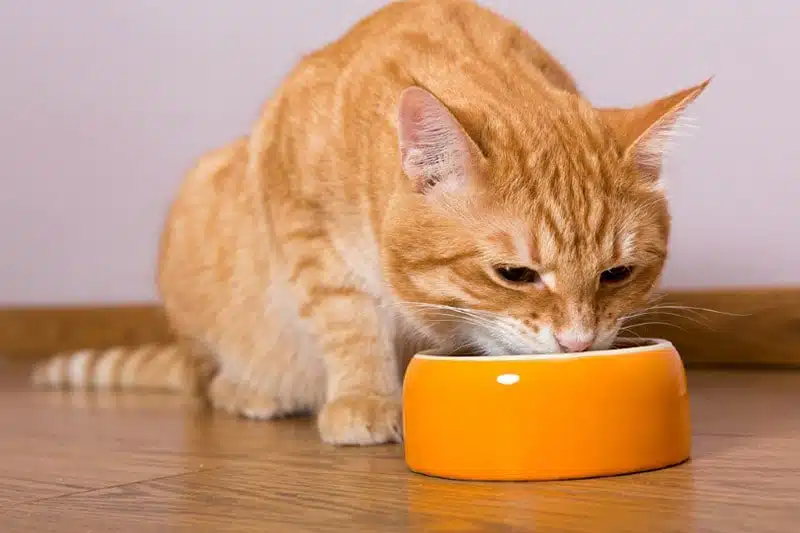
Free-feeding (leaving food out all day) might seem convenient, but it’s a recipe for overeating. Cats thrive on routine, so establish regular feeding times. Most cats do well with two meals a day, though kittens and some older cats might need more frequent, smaller portions. Scheduled feeding also gives you better control over how much they’re eating and helps prevent boredom-snacking—yes, that’s a thing for cats too.
Feeding schedules also mimic the natural hunting patterns of cats. In the wild, they’d catch multiple small meals throughout the day. Structured feeding times can satisfy their instincts and improve their overall mood. Trust us, a well-fed cat at the right intervals is a happier, less demanding companion.

Choose High-Quality Food
Not all cat foods are created equal. Look for high-quality options that list real meat as the primary ingredient and avoid those packed with fillers like corn or soy. Cats are obligate carnivores, meaning they need meat-based protein to stay healthy. Foods high in protein and low in carbohydrates are generally better for maintaining a healthy weight. And let’s be honest—your cat deserves the good stuff.
For a deeper dive into what makes a cat’s diet tick, you can explore Wikipedia’s article on cat food. It’s a treasure trove of information for the curious pet parent.
High-quality food also ensures your cat gets the necessary nutrients without empty calories. It’s like choosing a gourmet steak over fast food—better for the waistline and infinitely more satisfying.

Limit Treats: Love Is Not a Treat Jar
It’s easy to overdo it with treats. Those pleading eyes can break even the toughest resolve, but too many treats can quickly pack on the pounds. Treats should make up no more than 10% of your cat’s daily caloric intake. If you’re feeling extra generous, consider healthy alternatives like small bits of cooked chicken or fish—but only in moderation!
Remember, treats should be just that: a treat, not a staple. Save them for special occasions or as rewards for good behavior. This way, treats remain exciting for your cat and don’t contribute to unnecessary weight gain.

Keep Them Active: Play Is Exercise in Disguise
Diet isn’t the only factor in preventing obesity. Regular playtime helps burn calories and keeps your cat’s mind engaged. Invest in toys that encourage movement, like feather wands, laser pointers, or even a good ol’ cardboard box. Rotate toys to keep things fresh and exciting. If your cat is particularly lazy (we’re looking at you, Garfield impersonators), you might need to get creative. Ever tried a cat treadmill? Neither have most people, but the YouTube videos are pure gold.
Activity isn’t just about burning calories; it’s a critical component of mental health. Playtime reduces stress and boredom, both of which can lead to overeating. A happy, stimulated cat is less likely to channel their energy into begging for food.

Monitor Their Weight: Scales Don’t Lie
Regular weigh-ins can help you track your cat’s progress and catch weight gain before it becomes a problem. You can do this at home using a baby scale or at your vet’s office. If your cat has been steadily gaining weight despite your best efforts, consult your veterinarian. They can rule out medical issues and help develop a tailored weight management plan.
Weighing your cat also fosters accountability. By keeping track of their weight over time, you’ll have a clear picture of what works and what doesn’t. Think of it as a partnership: you provide the care, and your cat provides the purrs.

Hydration Matters Too
Water is often overlooked in discussions about feline nutrition, but it plays a vital role. Cats that eat dry food need extra water to stay hydrated. Consider adding wet food to their diet or investing in a cat fountain to encourage drinking. Staying hydrated can also help with weight management by supporting overall health and digestion.
Proper hydration also aids kidney function, a critical concern for many cats. A hydrated cat is a healthier cat, so make water a priority in their daily routine.

Final Meow: A Balanced Approach
Preventing cat obesity boils down to balance—providing the right amount of food, the right type of food, and enough opportunities for exercise. It’s not about denying your cat the joy of treats or the comfort of an occasional extra snack; it’s about ensuring those moments don’t come at the cost of their health. So next time your cat gives you that “But I’m starving!” look, remember: a healthy cat is a happy cat. And isn’t that what we’re all aiming for?
By focusing on proper feeding, hydration, and regular activity, you’re not just preventing obesity—you’re building a foundation for a lifetime of feline wellness. And that’s something worth purring about.