Keeping Your Cat’s Smile Bright: A Guide to Feline Dental Health

When it comes to the health of our feline companions, dental care often takes a backseat. Many cat owners are blissfully unaware of the importance of oral hygiene for their pets, and cats, being the masters of subtlety they are, rarely complain about a sore tooth. However, maintaining proper dental health is vital for your cat’s overall well-being. Let’s delve into the world of feline dental care, sprinkled with a touch of humor to keep those tails wagging (or in this case, purring).
The Basics of Feline Dental Anatomy
Cats have 30 teeth, each designed with a specific purpose in mind. Their sharp canines are perfect for catching and gripping prey, while their molars and premolars are great for shredding meat. Even though your domesticated feline might be more interested in chasing laser pointers than hunting, their teeth remain an essential part of their anatomy. Their dental design is a masterpiece of evolution, built for efficiency rather than leisure dining.
Fun fact: Cats’ teeth are so specialized that they can’t grind food like humans do. Instead, they shear their meals into manageable chunks. This is why you’ll never catch your cat chewing on a salad—not just because they’re picky eaters, but because their teeth are simply not built for it. Add to this their innate disdain for leafy greens, and it’s clear why your cat’s carnivorous smile deserves special attention.

Common Dental Problems in Cats
Dental issues are not uncommon in felines, with periodontal disease being the most frequent offender. Here are some of the most common dental problems cats face:
- Periodontal Disease: This begins as plaque and progresses to gingivitis, eventually leading to painful infections and tooth loss if untreated. It’s a sneaky condition that starts quietly and can escalate into a major issue.
- Tooth Resorption: A mysterious condition where the tooth structure breaks down and is absorbed by the body, often causing significant discomfort. Think of it as the tooth deciding it’s done and retreating quietly into the gums.
- Stomatitis: An inflammatory condition of the mouth and gums, which can make eating extremely painful for cats. Imagine every meal feeling like chewing on hot coals—not ideal for your furry gourmand.
- Bad Breath: While cat breath isn’t supposed to smell minty fresh, a particularly foul odor can be a sign of underlying dental issues. If their breath smells like something that crawled out of a swamp, it’s time to investigate.
Signs Your Cat Might Have Dental Issues
Cats are experts at hiding pain, so you’ll need to keep a keen eye out for subtle signs of dental trouble. Watch for:
- Difficulty eating or chewing on one side of the mouth.
- Drooling excessively.
- Swollen or bleeding gums.
- A decrease in appetite or weight loss.
- Pawing at their mouth or face.
If your feline friend exhibits any of these symptoms, it’s time to schedule a vet visit pronto. Ignoring these signs could mean your cat is suffering in silence, and nobody wants that for their favorite whiskered companion.
Preventative Care: Because an Ounce of Prevention is Worth a Pound of Cat Treats
Taking steps to prevent dental problems is much easier (and cheaper) than treating them. Here’s how you can keep your cat’s pearly whites in pristine condition:
- Brushing Their Teeth: Yes, you read that right. Cat toothbrushes and toothpaste exist, and they’re specifically designed for feline mouths. Start slowly and make it a positive experience for your cat. You might not get their full cooperation at first, but persistence pays off.
- Dental Treats and Diets: Some cat foods and treats are formulated to promote dental health by reducing plaque and tartar buildup. These tasty morsels are a win-win: delicious for your cat and beneficial for their teeth.
- Regular Vet Check-Ups: Annual or biannual dental exams can catch problems early. Your vet might even recommend professional cleanings under anesthesia for a thorough job. These visits are like spa days for your cat—albeit less relaxing.
- Dental Toys: Some toys are designed to clean teeth as your cat plays. They might not replace brushing, but every little bit helps. Think of them as the flossing of the feline world.
The Connection Between Dental and Overall Health
Neglecting your cat’s dental health can lead to systemic problems. Bacteria from oral infections can enter the bloodstream, potentially affecting vital organs such as the heart, kidneys, and liver. Keeping their teeth clean is about more than a sparkling smile; it’s about ensuring a long and healthy life for your whiskered companion. A healthy mouth contributes to a healthy body, and ensuring your cat’s oral hygiene is a vital part of their overall care routine.

Historical Fun Fact: Cats in Ancient Egypt
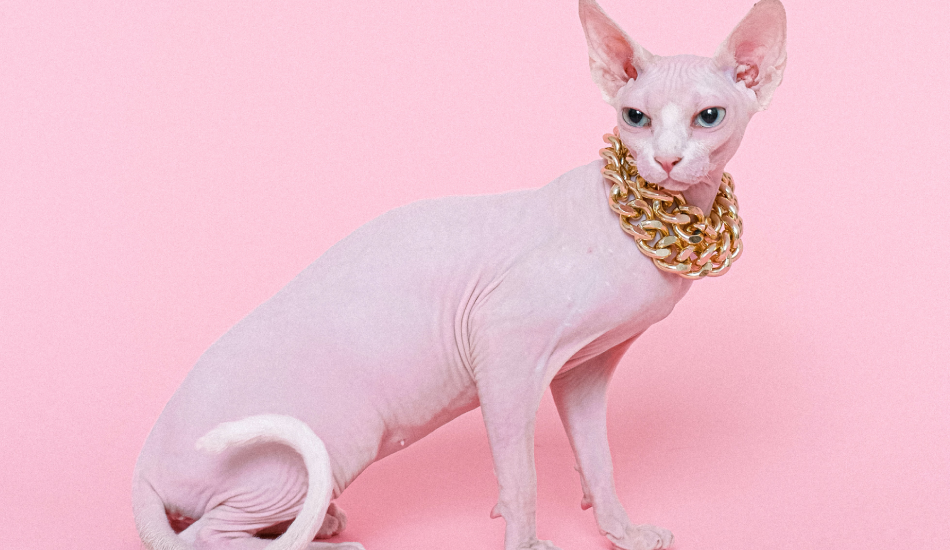
Did you know that ancient Egyptians revered cats so much that they often adorned their feline friends with gold jewelry? While there’s no evidence to suggest they brushed their cats’ teeth, their devotion to feline well-being is a reminder of how important it is to care for our modern-day cats. For more on ancient Egyptian cat worship, visit the Wikipedia page on cats. Their admiration for cats extended to treating them as family members, something cat owners today can certainly relate to.

Understanding and addressing your cat’s dental health might not be the most glamorous part of pet ownership, but it’s undeniably one of the most crucial. By staying proactive with preventative care and regular vet visits, you can keep your feline friend’s teeth in tip-top shape—and avoid any surprise hissy fits during mealtime. Plus, a healthy cat is a happy cat, and who doesn’t want their furry friend to be at their playful best?
Remember, a healthy mouth means a happy cat. So grab that tiny toothbrush and make dental care a part of your cat’s routine. Your kitty (and your wallet) will thank you in the long run. Your dedication to their dental health is a purr-fect way to show your love!