The Ultimate Guide to Cat Hair Removal: Tips and Tricks for a Fur-Free Home

Owning a cat is one of life’s greatest joys, but it comes with its challenges—cat hair being a primary one. Whether it’s embedded in your sofa, clinging to your clothes, or floating in the air, managing cat hair is a common concern for pet owners. Fortunately, with the right strategies, you can keep your home clean and fur-free without sacrificing your cat’s comfort.
Cat hair not only creates a mess but can also aggravate allergies and asthma for some individuals. Tackling cat hair removal effectively requires a combination of proactive grooming, the use of the right tools, and consistent home maintenance. With dedication, it’s possible to strike a balance between enjoying the company of your feline friend and maintaining a clean, fur-free living space.
This comprehensive guide will explore effective methods for removing cat hair, tools and techniques to make the process easier, and preventive measures to minimize shedding. By the end, you’ll be well-equipped to handle even the most stubborn tufts of fur, ensuring a cleaner and more inviting living space for you and your feline companion.
Understanding Cat Hair Shedding

Why Cats Shed
Cats shed to maintain healthy fur and skin. Shedding helps remove old or damaged hair and is influenced by factors such as:
- Seasonal Changes: Cats often shed more during spring and fall as they transition between winter and summer coats.
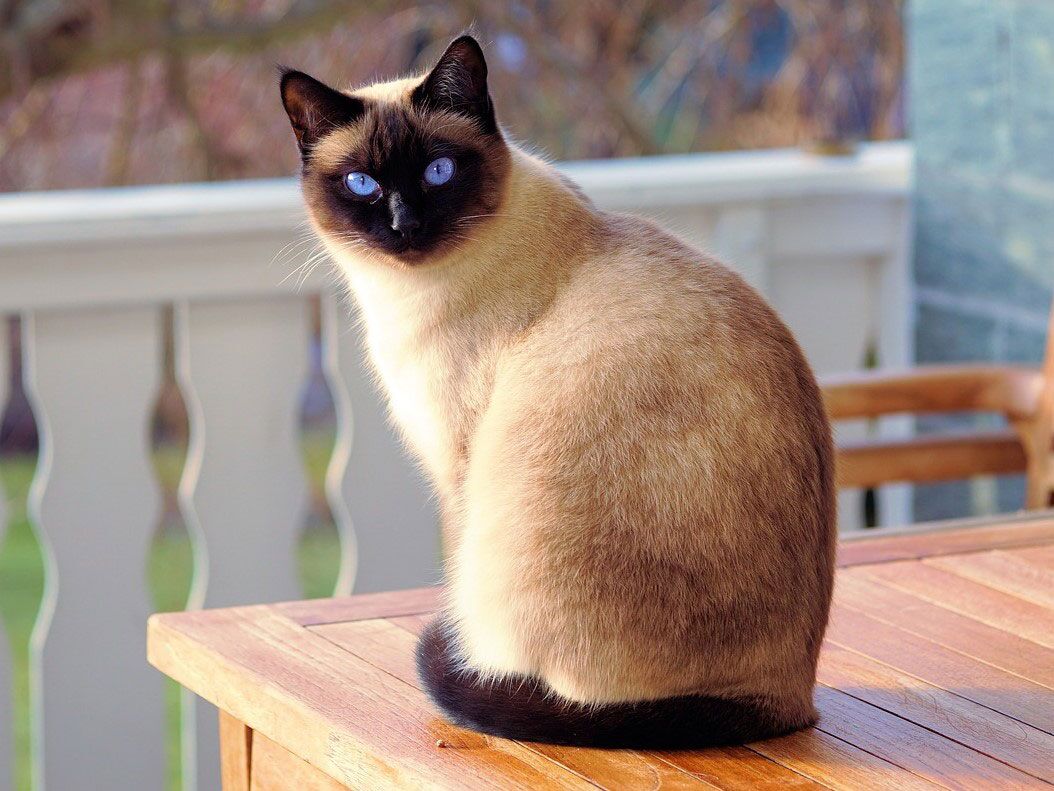
- Breed: Long-haired breeds like Maine Coons and Persians shed more than short-haired breeds like Siamese or Bengals.
- Health: Excessive shedding may indicate health issues like stress, allergies, or nutritional deficiencies.
- Age: Older cats may shed more as their grooming habits change.
Identifying Shedding Patterns
Regularly observing your cat’s shedding patterns can help you manage fur effectively. For instance:
- Increased shedding during certain times of the year is normal.
- Excessive shedding or bald spots should prompt a visit to the veterinarian.
- Differences in shedding among breeds mean owners should tailor their approach to suit their cat’s specific needs.
Effective Methods for Cat Hair Removal

1. Cleaning Furniture
Upholstered Surfaces
- Lint Rollers: These are great for quick clean-ups on couches, chairs, and other fabric surfaces.
- Vacuum Cleaners with Pet Attachments: Use a vacuum designed for pet hair removal with specialized brushes or attachments.
- Rubber Gloves: Slightly dampen a rubber glove and run your hand over the surface. The hair will clump together for easy removal.
- Fabric Sprays: Use anti-static sprays to loosen embedded fur before cleaning.
Hard Surfaces
- Microfiber Cloths: These are excellent for trapping hair on wood, tile, or laminate surfaces.
- Static Mops: Use a dry mop to gather loose fur from floors.
- Dust Traps: Devices designed to capture hair in corners can simplify routine cleaning.
2. Cleaning Clothes
- Sticky Lint Brushes: Keep one handy for quick hair removal before heading out.
- Dryer Sheets: Toss clothes in the dryer with a dryer sheet for 10 minutes to loosen fur before washing.
- Wash with Vinegar: Adding half a cup of white vinegar to the rinse cycle can help remove stubborn hair.
- Clothing Covers: Protect frequently worn garments with dust covers when stored.
3. Cleaning Carpets and Rugs
- Vacuuming: Use a vacuum with a HEPA filter and pet hair attachments.
- Rubber Brooms: These are particularly effective for sweeping hair from carpets.
- Baking Soda: Sprinkle baking soda on carpets before vacuuming to loosen hair and neutralize odors.
- Carpet Rakes: Specialized tools designed for pulling out embedded fur are invaluable for high-traffic areas.
Tools and Gadgets for Cat Hair Removal
- Deshedding Brushes: Tools like the Furminator reduce shedding by removing loose fur during grooming.
- Pet Hair Vacuums: Brands like Dyson and Bissell offer vacuums specifically designed for pet hair.
- Electrostatic Brushes: These reusable tools attract and pick up hair efficiently.
- Sticky Pads: Placed on furniture, they trap loose fur and are easy to replace.
- Robot Vacuums: Automated vacuums with pet-specific features can help maintain a fur-free home with minimal effort.
Preventive Measures to Minimize Shedding
Regular Grooming
- Brush your cat daily to remove loose fur before it ends up around your home. Choose a brush suited to your cat’s coat type.
- For long-haired breeds, consider professional grooming every few months.
- Incorporate detangling sprays for easier grooming sessions and reduced shedding.
Healthy Diet
- Feed your cat a high-quality diet rich in omega-3 and omega-6 fatty acids to promote a healthy coat.
- Ensure your cat stays hydrated to prevent dry skin and excessive shedding.
- Consult your veterinarian about supplements specifically designed for coat health.
Managing Stress
- Provide your cat with toys, scratching posts, and interactive play to reduce stress-related grooming and shedding.
- Maintain a consistent routine to keep your cat’s environment stable.
- Use calming products like pheromone diffusers to create a stress-free atmosphere.
Home Maintenance
- Use air purifiers to capture floating hair and dander.
- Wash your cat’s bedding weekly to reduce hair build-up.
- Regularly clean and vacuum your home, focusing on areas where your cat spends the most time.
- Consider anti-static sprays for hard-to-reach areas to prevent hair from clinging.
Frequently Asked Questions (FAQs)
1. How often should I groom my cat to reduce shedding? Daily grooming is ideal, especially for long-haired breeds, but short-haired cats can benefit from brushing 2-3 times per week.
2. Can shedding indicate a health problem? Yes, excessive shedding or bald spots may indicate allergies, parasites, or other health issues. Consult a veterinarian if you notice unusual shedding patterns.
3. What’s the best vacuum for cat hair? Pet-specific vacuums like the Dyson Animal series or Bissell Pet Hair Eraser are excellent choices.
4. How can I remove cat hair from my car? Use a handheld vacuum, sticky lint roller, or dampened rubber glove to clean car seats and carpets.
5. Are there any hypoallergenic cats that shed less? While no cat is completely hypoallergenic, breeds like the Siberian, Balinese, and Bengal are known to produce fewer allergens and shed less.
6. Can diet affect my cat’s shedding? Absolutely! A diet rich in essential fatty acids and high-quality protein can significantly improve your cat’s coat health and reduce shedding.
7. Is it safe to bathe my cat to reduce shedding? Occasional baths can help, but excessive bathing can dry out your cat’s skin. Use a gentle, cat-specific shampoo and consult your vet for recommendations.
Conclusion
Managing cat hair removal is a vital part of cat ownership, but it doesn’t have to be overwhelming. By understanding why cats shed, using effective cleaning techniques, and taking preventive measures, you can maintain a clean and comfortable home for both you and your feline friend. Regular grooming, maintaining a healthy diet, and employing the right tools can make a world of difference. Remember, a well-groomed cat is a happy cat, and a fur-free home is a happier environment for everyone involved! With these tips and tricks, you’re well on your way to living harmoniously with your beloved feline without the constant battle against fur.