Understanding Cat Hairballs: Causes, Prevention, and Treatment

If you’re a cat owner, you’ve likely encountered the occasional unpleasant surprise of a hairball. Hairballs, while a natural part of feline grooming, can sometimes cause concern for pet parents. These cylindrical masses of fur are not only unsightly but can also indicate underlying health issues if they become frequent or problematic.
Hairballs form when cats groom themselves and ingest loose fur. While most fur passes through the digestive system without issue, some may accumulate in the stomach and eventually be expelled. Understanding why hairballs occur, how to prevent them, and when to seek help is crucial for your cat’s well-being. This article delves deep into everything you need to know about cat hairballs. We provide practical tips to manage and minimize their impact, ensuring your feline friend remains happy and healthy.
By addressing the root causes and taking preventative measures, you can help your cat avoid discomfort and reduce the chances of complications. Let’s dive in to better understand this common feline issue and learn how to manage it effectively.
1. What Are Cat Hairballs?

Definition and Appearance
Hairballs, scientifically known as trichobezoars, are compact masses of ingested fur that cats occasionally vomit. These are typically cylindrical in shape, as they pass through the esophagus during regurgitation. While their size can vary, most hairballs are relatively small and composed of tightly packed fur. In rare cases, hairballs can grow larger and cause significant health issues.
How Hairballs Form
Cats are meticulous groomers, using their tongues to clean their fur. Their tongues are covered with tiny, backward-facing barbs called papillae that trap loose hair. While most swallowed hair travels through the digestive tract and is eliminated in feces, some can accumulate in the stomach. Over time, this fur forms a hairball, which the cat eventually expels through vomiting. Cats with frequent hairballs may have underlying issues contributing to excessive ingestion of fur.
2. Common Causes of Hairballs

Grooming Habits
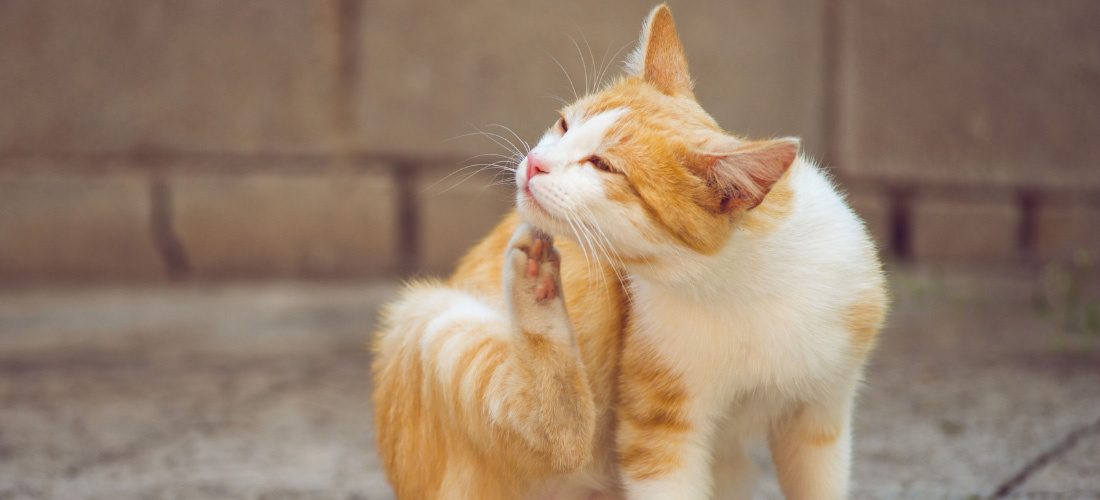
Excessive grooming, or over-grooming, can significantly increase the likelihood of hairball formation. Cats may groom excessively due to stress, boredom, or skin conditions. Allergies and flea infestations can also lead to compulsive grooming behaviors, exacerbating hairball issues.
Coat Length and Shedding
Long-haired breeds such as Persians and Maine Coons are more prone to hairballs because they shed more and have longer fur. Seasonal shedding also contributes to an increased risk of hairball formation. Even short-haired cats may experience hairball problems during shedding seasons.
Dietary Factors
A diet lacking in fiber can lead to slower digestive transit, making it more likely for hair to accumulate in the stomach. Poor-quality food that doesn’t support coat health can exacerbate the problem. Cats on low-moisture diets may also have difficulty passing ingested hair through their digestive systems.
Environmental Stress
Stressful environments can trigger excessive grooming as a coping mechanism. Factors such as changes in household routines, the introduction of new pets, or limited access to enrichment activities can all increase the risk of hairball formation.
3. Symptoms of Hairballs in Cats

Signs to Watch For
- Retching or Gagging: Cats attempting to expel a hairball may exhibit retching or gagging behaviors.
- Vomiting: Expelling a hairball through vomiting is common and usually harmless.
- Decreased Appetite: If hairballs cause digestive discomfort, your cat may eat less.
- Constipation or Diarrhea: Digestive issues may arise if hairballs obstruct the gastrointestinal tract.
- Lethargy: A cat affected by frequent or large hairballs may display reduced energy levels.
When Hairballs Indicate a Problem
If your cat experiences frequent vomiting, a distended abdomen, or lethargy, it’s time to consult a veterinarian. Persistent hairballs can cause blockages, which may require medical intervention. Watch for additional signs such as unproductive retching or significant weight loss.
Complications from Hairballs
In severe cases, hairballs can lead to life-threatening intestinal blockages. Cats with chronic hairball issues may also develop secondary conditions, such as esophagitis or gastritis, due to frequent vomiting.
4. Preventing Hairballs
Grooming Techniques
- Regular Brushing: Frequent brushing reduces the amount of loose fur your cat can ingest. Use a grooming tool appropriate for your cat’s coat type, such as a slicker brush for long-haired breeds or a grooming mitt for short-haired cats.
- Professional Grooming: Long-haired breeds may benefit from periodic visits to a professional groomer. Trimming excessive fur during shedding seasons can also help.
Dietary Adjustments
- High-Fiber Diets: Fiber aids in moving hair through the digestive system. Consider switching to a cat food formulated for hairball control.
- Hydration: Ensure your cat has access to fresh water to support digestion. Wet food can also increase moisture intake.
- Omega-3 Fatty Acids: Supplements that improve coat health can reduce shedding and lower the risk of hairballs.
Environmental Enrichment
- Reduce Stress: Provide toys, scratching posts, and interactive play to minimize stress-induced over-grooming.
- Regular Cleaning: Keep your home free of loose fur by vacuuming and using lint rollers. A clean environment reduces the chance of fur ingestion from surfaces.
Seasonal Considerations
During shedding seasons, increase the frequency of grooming sessions and ensure your cat receives adequate hydration to help manage the increased fur loss.
5. Treating Hairballs
Home Remedies
- Petroleum-Based Laxatives: These help lubricate the digestive tract, making it easier for hair to pass through.
- Pumpkin Puree: A small amount of plain pumpkin puree can add fiber to your cat’s diet. Begin with a teaspoon and adjust as needed.
- Coconut Oil: A tiny amount of coconut oil added to your cat’s food can help reduce shedding and aid digestion.
Over-the-Counter Solutions
- Hairball-Control Treats: These treats often contain ingredients that promote healthy digestion and minimize hairball formation.
- Specialized Cat Foods: Formulated diets can reduce shedding and improve coat health, decreasing hairball formation.
Veterinary Interventions
If a hairball causes a blockage, surgical removal may be necessary. Your vet might also recommend medications to improve gastrointestinal motility or treat underlying issues contributing to excessive grooming. In advanced cases, endoscopy may be used to remove a hairball non-invasively.
Advanced Medical Treatments
Chronic hairball issues may require advanced diagnostics, such as imaging or blood tests, to rule out underlying gastrointestinal disorders. Treatments may include prescription diets or medications tailored to your cat’s specific needs.
Conclusion and Summary
Hairballs are a common but manageable aspect of cat ownership. By understanding the causes and taking preventive measures, you can reduce their occurrence and ensure your cat remains comfortable and healthy. Regular grooming, a balanced diet, and a stress-free environment are key to minimizing hairballs. If issues persist or worsen, don’t hesitate to seek professional veterinary care. Remember, proactive measures can save both you and your feline friend from unnecessary discomfort.
Frequently Asked Questions (FAQs)
1. How often should I groom my cat to prevent hairballs? Short-haired cats should be brushed weekly, while long-haired breeds may require daily grooming.
2. Can hairballs be dangerous? While most hairballs are harmless, frequent or problematic hairballs can lead to serious issues like intestinal blockages.
3. Are certain cat breeds more prone to hairballs? Yes, long-haired breeds such as Persians and Maine Coons are more susceptible due to their coat length and shedding.
4. Can diet alone prevent hairballs? Diet plays a significant role, but it’s most effective when combined with regular grooming and other preventive measures.
5. What should I do if my cat can’t expel a hairball? If your cat shows signs of distress or cannot expel a hairball, consult a veterinarian immediately.
6. Are there natural remedies for hairballs? Yes, adding fiber-rich foods like plain pumpkin puree or using coconut oil in moderation can help manage hairballs naturally.
7. How can I tell if my cat’s hairball issue is severe? Watch for signs like unproductive retching, abdominal swelling, lethargy, or significant appetite loss. These may