Why Do Cats Hide When They’re Sick?

Cats are mysterious creatures. One moment, they’re staring at you like you’ve wronged them in a past life, and the next, they’re disappearing into the shadows of your home without a trace. This behavior becomes particularly concerning when you realize they might be sick. So, why do cats hide when they’re unwell? It turns out, there’s a method to this furtive madness, rooted in both biology and psychology.

Instincts From the Wild
To understand why cats hide when they’re sick, we must first look at their ancestry. Domestic cats (“Felis catus”) evolved from solitary hunters in the wild. In nature, a sick or injured animal is vulnerable to predators. By concealing themselves, they minimize the risk of being detected and targeted. This survival instinct has been passed down through generations, even though your indoor kitty’s biggest predator might be the vacuum cleaner.
In the wild, hiding wasn’t just about avoiding predators—it was also about avoiding competition. A sick cat couldn’t risk a rival taking advantage of their weakened state. These ancient instincts are still very much alive in modern cats, shaping their behavior in ways that might baffle their human companions. Essentially, your cat’s dramatic vanishing act when unwell is their survival instinct kicking into high gear.

A Need for Safety
When cats feel unwell, they instinctively seek out a quiet, secluded space to recuperate. This isn’t just about avoiding potential threats; it’s also about comfort. Much like humans retreating under blankets during a bout of the flu, cats isolate themselves to rest and recover without disruption. Their hiding spots—under the bed, in a closet, or behind the couch—offer a sense of security and tranquility.
Additionally, cats are creatures of habit. When they’re feeling vulnerable, they often retreat to places that smell like them or their owners. This familiar environment helps them feel more grounded. So, if you’re missing a sock from the laundry or find your feline companion curled up in a pile of your clothes, take it as a sign that they find comfort in your scent—and possibly that they’re not feeling their best.

Signs Your Cat Might Be Hiding Due to Illness
It’s important to distinguish between a cat’s usual hide-and-seek antics and potential illness-related behavior. Here are some signs that their hiding might warrant a trip to the vet:
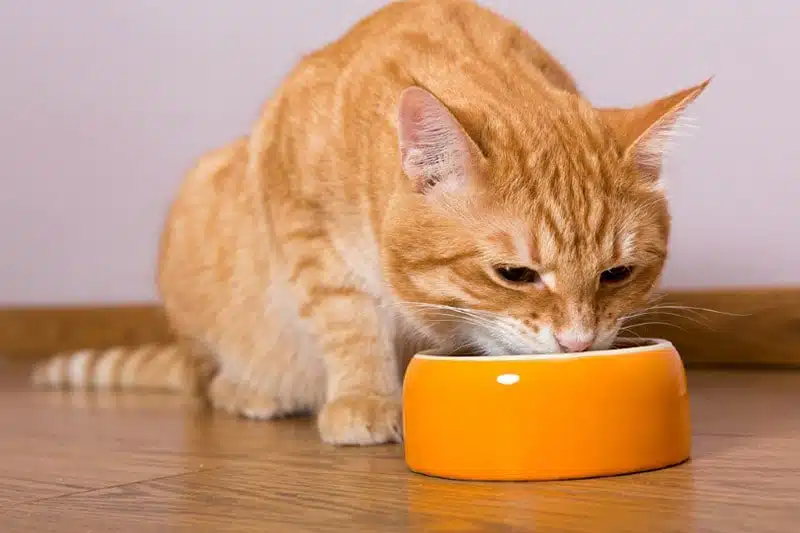
- Change in Appetite: If your cat’s food bowl remains untouched, it’s a red flag. Cats are usually food enthusiasts, even if they pretend not to care about their dinner.
- Lethargy: A sudden lack of energy might mean they’re not feeling well. While napping is a cat’s favorite pastime, extreme lethargy is cause for concern.
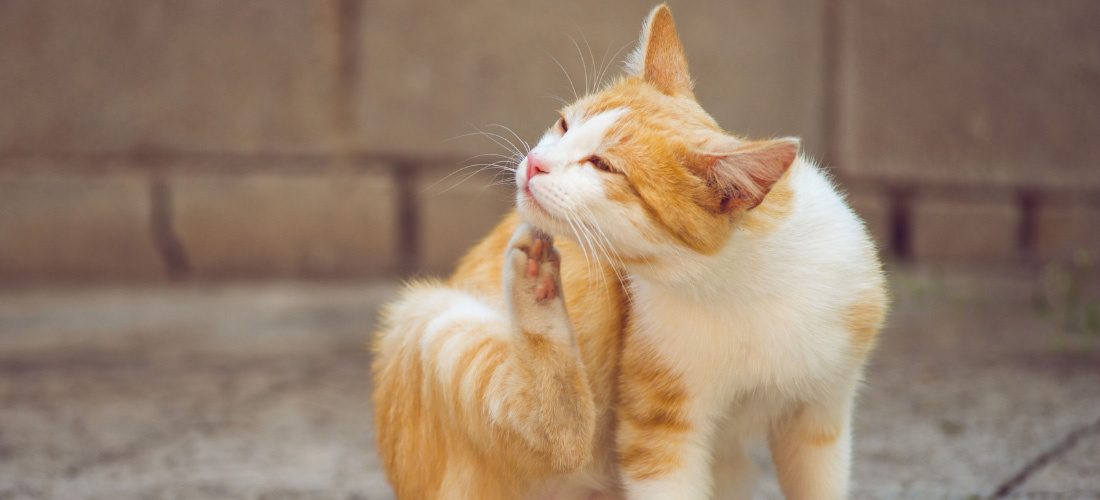
- Changes in Grooming Habits: Sick cats may neglect grooming or overgroom in specific areas. Their once pristine fur may become matted, or bald spots may appear from excessive licking.
- Unusual Vocalizations: Excessive or different-sounding meows could indicate discomfort. If your typically quiet kitty suddenly becomes a chatterbox (or vice versa), it’s time to pay attention.
- Changes in Litter Box Habits: If they’re avoiding their litter box or their bathroom behavior has changed, this could signal a problem.
How to Handle a Hiding, Sick Cat
Finding your furry friend in their secret lair can be tricky, but patience is key. Here’s how to approach the situation:
- Observe From a Distance: Keep an eye on their behavior without intruding. Forcing them out of hiding may increase their stress. If they’re in a spot they’ve chosen as safe, it’s best to let them be.
- Entice Them With Comfort: Offer a cozy blanket or their favorite toy nearby to encourage them to come out. Sometimes, a little encouragement can go a long way.
- Monitor Their Behavior: Take note of their eating, drinking, and grooming habits while they’re hiding. These small details can provide valuable insights into their health.
- Consult a Veterinarian: If the hiding persists or is accompanied by concerning symptoms, seek professional advice immediately. A vet can help rule out serious issues and put your mind at ease.
Preventative Care to Keep Your Cat Healthy
While hiding behavior is instinctual, ensuring your cat stays healthy can reduce the frequency of these worrying episodes. Regular veterinary checkups, a balanced diet, and plenty of mental stimulation can all contribute to their overall well-being. Cats might not thank you outright (they’re too proud for that), but you’ll notice the difference in their playful, healthy demeanor.
It’s also worth investing in preventative measures like keeping their environment stress-free. This could mean providing plenty of vertical space, such as cat trees or shelves, where they can observe their domain from on high. Enriching their surroundings with toys, scratching posts, and hideouts can also reduce stress and keep them feeling secure.

Embracing Their Quirks
Yes, cats have a flair for drama—even when they’re not feeling well. But their mysterious habits are part of what makes them so fascinating. Understanding why cats hide when they’re sick not only helps you care for them better but also deepens your bond with your feline companion. Remember, behind those glowing eyes and aloof exterior lies a creature that trusts you to keep them safe, even when they’re at their most vulnerable.
So, the next time your cat vanishes, take a moment to consider their needs. Whether they’re playing hide-and-seek or feeling under the weather, your understanding can make all the difference in their little world. And while you’re at it, maybe keep an enzymatic cleaner on hand for when they reappear with a dramatic flourish.
For more insights into feline behavior, check out Wikipedia’s article on cat behavior. It’s a treasure trove of fascinating facts about our whiskered friends.